


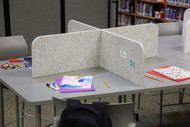
What Are Acoustic Panels Made Of?
Posted by Kate Murphy on Jul 15th 2026
If your room makes every conversation sound like it has backup vocals, it might be time for acoustic panels.
Acoustic panels help bring noisy spaces back into balance by absorbing excess sound energy. Instead of letting sound bounce off hard surfaces, they help reduce echo, soften reverberation, and make conversations, meetings, music, and everyday activity easier to hear.
So, what are acoustic panels actually made of? While the answer depends on the panel, most effective acoustic materials share a few key traits: they are porous, dense enough to trap sound, and thick enough to absorb a broader range of frequencies.
Sound Absorption vs. Soundproofing
Before we get into what acoustic panels are made of, it helps to understand the difference between sound absorption and soundproofing. Acoustic panels are designed for sound absorption, while soundproofing solves a different problem.
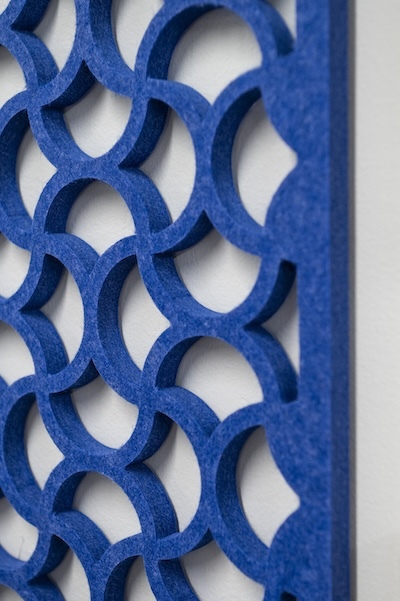
Sound absorption improves how sound behaves inside a room. Acoustic panels absorb excess sound energy to help reduce echo, soften reverberation, and make conversations, meetings, music, and everyday activity easier to hear.
Soundproofing is different. Its goal is to block sound from entering or leaving a space. This usually requires more involved construction, such as adding mass to walls, sealing gaps, or upgrading doors and windows.
In short, acoustic panels help absorb sound within a room. Soundproofing helps stop sound from traveling between rooms.
What Makes a Material Sound Absorbent?
The best acoustic panel materials are engineered to capture sound waves and convert some of that energy into tiny amounts of heat through friction. In simpler terms, sound enters the material, moves through its fibers or pores, and loses energy along the way.
A few key material qualities make this possible.
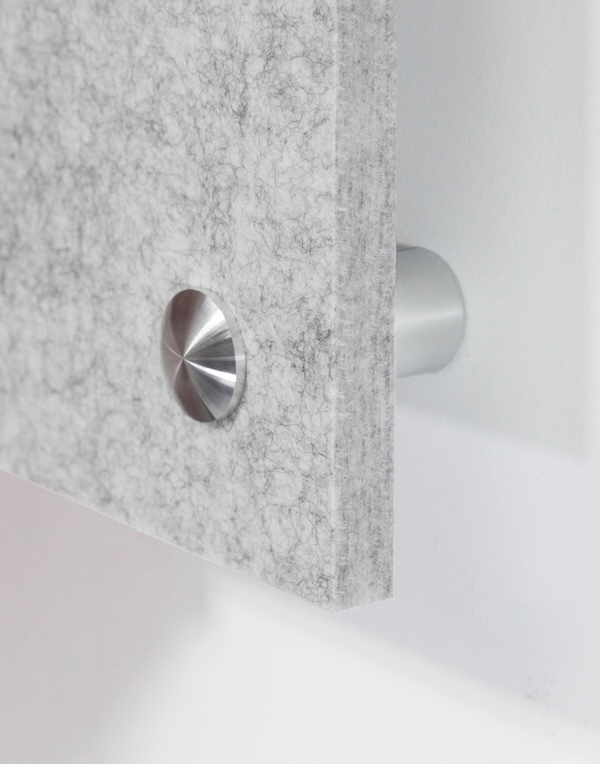
- Porosity: Porous materials have small openings, gaps, or interwoven fibers that allow sound waves to enter instead of bouncing off the surface. As sound moves through the material, friction reduces its energy and helps limit echo.
- Density: Density helps acoustic materials trap and absorb sound. Moderate to high-density materials are especially useful for managing lower-frequency noises, such as HVAC hum, background office noise, music, or deeper voices.
- Thickness: Thickness affects how much sound a panel can absorb. In general, thicker panels absorb a broader range of frequencies because sound waves have more material to pass through. A thickness of around 1-2 inches is often recommended for more well-rounded sound absorption.
Common Acoustic Panel Materials
Acoustic panels can be made from several materials, each with its own benefits. The right option depends on your space, sound control needs, and design preferences. Here are a few common material options:
- Fiberglass: Fiberglass is made from fine glass fibers arranged in a dense, porous structure. This helps sound waves enter the material and lose energy as they move through the fibers.
- Mineral Wool: Mineral wool, also called rock wool or stone wool, is made from natural or stone-based materials spun into dense fibers. It is valued for its fire-resistant properties and ability to manage lower-frequency sounds.
- Open-Cell Acoustic Foam: Open-cell acoustic foam is a lightweight material with connected pores that allow air and sound waves to move through the foam. As sound travels through the material, friction helps dissipate its energy. Foam is commonly used in podcasting spaces, music rooms, home offices, and small studios.
- Natural and Synthetic Fibers: Natural and synthetic fiber panels may be made from recycled cotton, polyester, polyethylene terephthalate (PET), or blended materials. Their soft, interwoven structure helps absorb sound while offering a clean, design-friendly look. Many also support sustainability goals when made with recycled content.
Focus Product: Versare’s SoundSorb™
Versare’s SoundSorb™ acoustic products are designed for spaces where sound control, durability, and visual appeal all matter. From offices and classrooms to hospitality spaces and home, SoundSorb™ helps soften unwanted noise while adding a clean, modern look.
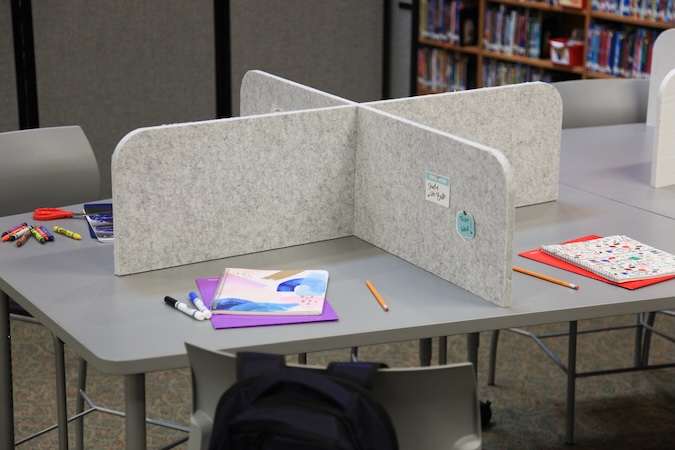
What Is SoundSorb™ Made Of?
SoundSorb™ panels are composed of 60% recycled material from PET bottles. This creates a soft, yet durable acoustic material that is dense enough to absorb sound energy. Unlike hollow or fabric-only panels, SoundSorb™ panels are solid throughout. Their PET construction supports long-term durability, making them a strong choice for active environments that still need a clean, professional look.
SoundSorb™ acoustic panels are solvent-free and contain no VOCs, making them a thoughtful option for many environments. Plus, they are fire resistant, mold resistant, and moisture resistant.
SoundSorb™ Panels vs. Similar Acoustic Walls
SoundSorb™ panels, VersiPanel, and VersiFold can all support better acoustic environments, but they are made differently and serve different needs.
As stated earlier, SoundSorb™ panels are made from solid, fibrous PET material. They are ideal for targeted acoustic treatment on walls, ceilings, desks, or freestanding panel arrangements.
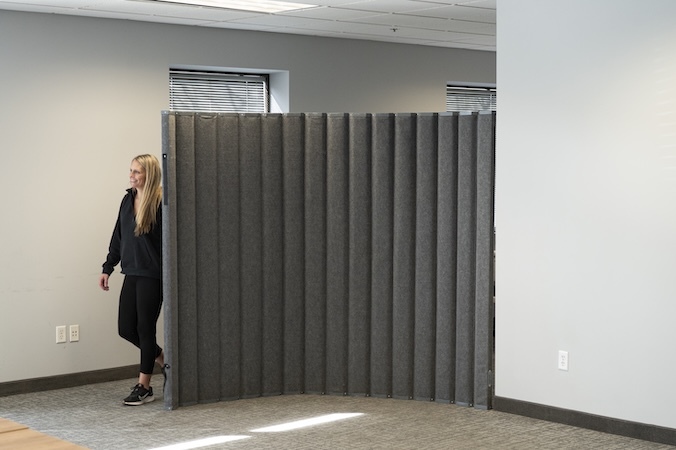
VersiPanel and VersiFold are portable acoustic wall solutions designed for spaces that need both sound absorption and flexible separation. Instead of solid PET, they feature a low-density foam core wrapped in fabric. This makes them a strong choice for workstations, meeting zones, classrooms, open offices, and other areas where portable privacy and sound-softening benefits are both important.
Transforming Your Environment with Quality Acoustic Panels
Acoustic panels may look simple, but their materials do a lot of heavy lifting. The right panel material can reduce echo, soften reverberation, improve speech clarity, and make a room feel more comfortable overall. Versare’s SoundSorb™ acoustic panels and other acoustic solutions help manage unwanted noise while supporting a modern, eco-conscious approach to space design.
Ready to create a quieter, more comfortable environment? Browse the collection of acoustic panels to find a sound control material that fits your space, style, and needs.