


What Do Acoustic Panels Actually Do?
Posted by Kate Murphy on Aug 26th 2026
Ever walk into a room where every conversation seems louder than it should? Sometimes, the problem is not how much noise people are making—it is how long that sound sticks around.
Hard walls, floors, ceilings, and windows allow sound to bounce throughout a room. Acoustic panels help absorb that sound, reducing echo and making conversations easier to hear. The result is a calmer, more comfortable space for meetings, classes, calls, focused work, and more.
Acoustic panels are not the same as soundproofing. Soundproofing limits noise traveling between rooms, while acoustic panels control how sound behaves within a room. So, what do acoustic panels actually do? Let’s take a closer look.
How Acoustic Panels Improve the Way Sound Behaves in a Room
Acoustic panels improve a room’s sound by absorbing reflections that would otherwise create echo, reduce speech clarity, and contribute to noise buildup. They improve room acoustics in several key ways.
Absorb Reflected Sound
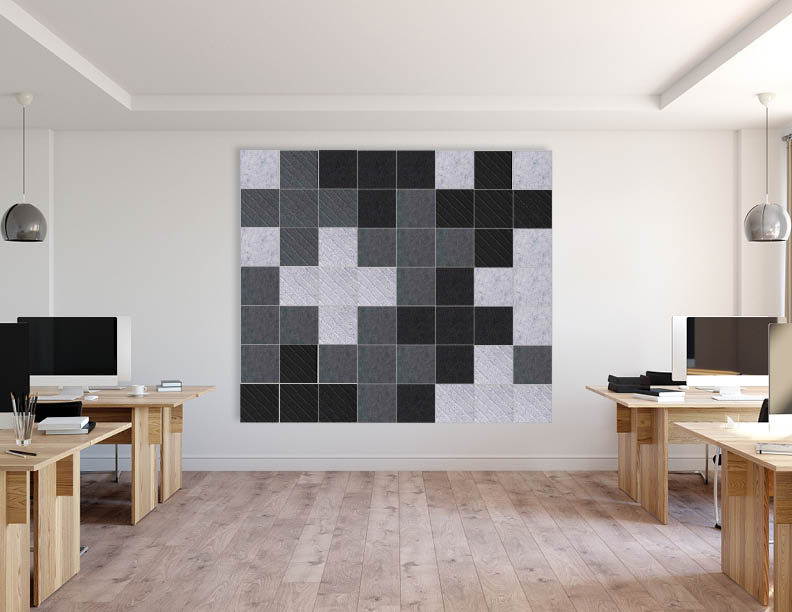
Hard surfaces such as glass, drywall, concrete, and tile cause sound to bounce around a room. As voices, phones, and other noises reflect off walls, floors, and ceilings, the space can quickly feel louder. Acoustic panels absorb some of this reflected sound before it continues traveling through the room. With fewer and weaker reflections, noise is easier to manage.
Reduce Echo and Reverberation
An echo is a noticeable repetition of a sound, while reverberation is the lingering noise created by multiple reflections. Acoustic panels reduce how long sound remains in a room. This can make a noticeable difference in conference rooms, open offices, classrooms, and other spaces with large areas of glass, drywall, concrete, or similar reflective finishes.
Improve Speech Clarity
Reflected sound can overlap with conversations, making words harder to understand. By reducing these reflections, acoustic panels help voices sound clearer during meetings, presentations, phone calls, and video conferences.
Reduce Overall Noise Buildup
Acoustic panels do not eliminate conversations, ringing phones, or other noise sources. Instead, they reduce how much of that sound continues circulating through the room, helping busy environments feel calmer and less distracting.
Do Acoustic Panels Work?
Yes, acoustic panels work when the right type, quantity, and placement are matched to the room.
Installing one small panel in a large, highly reflective space is unlikely to produce a dramatic change. Effective acoustic treatment requires enough coverage to address the room’s size, layout, surfaces, and intended use.
Factors That Affect Performance
Several factors determine how well acoustic panels perform:
- Room size and layout: Larger rooms and open layouts typically require more acoustic coverage.
- Existing materials and furnishings: Carpet, upholstered furniture, curtains, and other soft materials already absorb some sound. Rooms dominated by glass, tile, or concrete usually need more treatment.
- Panel placement: Panels are most helpful where major reflections occur, such as on large walls, above work areas, or near sound sources.
- Amount of coverage: Larger or more reflective rooms may need more panels to effectively reduce echo.
- Panel material and NRC rating: Some materials absorb more sound than others.
Understanding NRC Ratings
Speaking of NRC, the Noise Reduction Coefficient measures how much sound a material absorbs. NRC ratings range from 0 to 1. The higher the rating, the more sound the material absorbs. However, a higher NRC does not mean better soundproofing. NRC measures sound absorption within a space, not how effectively a product blocks sound from traveling between spaces.
Real-world results depend on more than the rating alone. The number of panels, their location, the installation method, and the room itself all affect performance.
How Office Acoustic Panels Create More Productive Workspaces
A noisy office can make it difficult to focus, communicate, and get work done. Acoustic panels help create a quieter, more comfortable environment without major renovations.
Open Offices: Reducing Everyday Workplace Distractions
Open offices support communication and teamwork, but they also allow conversations, phone calls, keyboard noise, and other sounds to spread. Acoustic panels absorb some of this sound, helping reduce distractions while keeping the office open and collaborative.
Conference Rooms: Improving Meetings and Video Calls
Glass walls, tables, screens, and other hard surfaces can make voices sound hollow or unclear. Adding acoustic panels helps reduce echo during meetings and presentations. Clearer speech benefits everyone in the room and can improve audio quality for remote participants during hybrid meetings.
Individual Workstations: Adding Privacy Without Building Walls
Acoustic office partitions provide visual separation while absorbing some nearby sound. Positioned around desks or between work areas, partitions can help employees feel less exposed and create a greater sense of personal space. They can also organize departments, define work zones, and separate collaborative areas from focused workstations—all without the cost and permanence of constructing walls.
Flexible Workspaces: Acoustic Solutions That Adapt with Your Office
As teams grow and workplace needs change, a fixed layout may become limiting. Portable acoustic panels and room dividers can move with desks, departments, or changing activities. They are especially useful in multipurpose rooms, training areas, and shared spaces that need to support different activities throughout the day.
Choosing the Right Type of Acoustic Panel for Your Space
The best acoustic panel depends on where sound reflections occur, how the room is used, and whether the layout needs to remain flexible.
Wall-Mounted Panels
Put unused wall space to work without taking up valuable floor area. Ideal for offices, conference rooms, classrooms, and reception areas, wall-mounted panels help reduce echo while adding visual interest to the room.
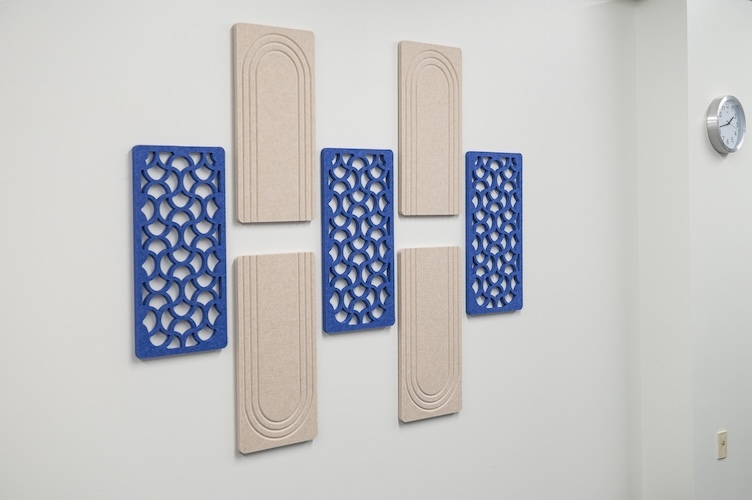
Explore Versare’s wall-mounted acoustic panels to find an option that fits your space and style.
Ceiling Panels
Make use of overhead space to reduce echo without covering walls or taking up floor area. Ceiling panels are a smart choice for open offices, large shared rooms, and spaces with exposed or reflective ceilings.
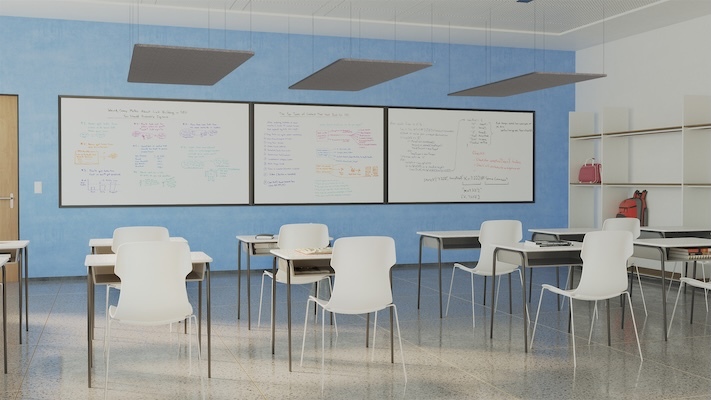
Check out acoustic ceiling panels to compare hanging baffles, suspended canopies, and sound-absorbing ceiling tiles. For even more flexibility, the SoundSorb™ Acoustic Panel Kit offers flexible installation options, allowing panels to be mounted on the ceiling or wall—or used as freestanding solutions.
Freestanding Acoustic Panels
Bring sound absorption where you need it—without permanent installation. Freestanding panels can be placed near workstations, meeting areas, or other busy zones, then moved as the layout changes.
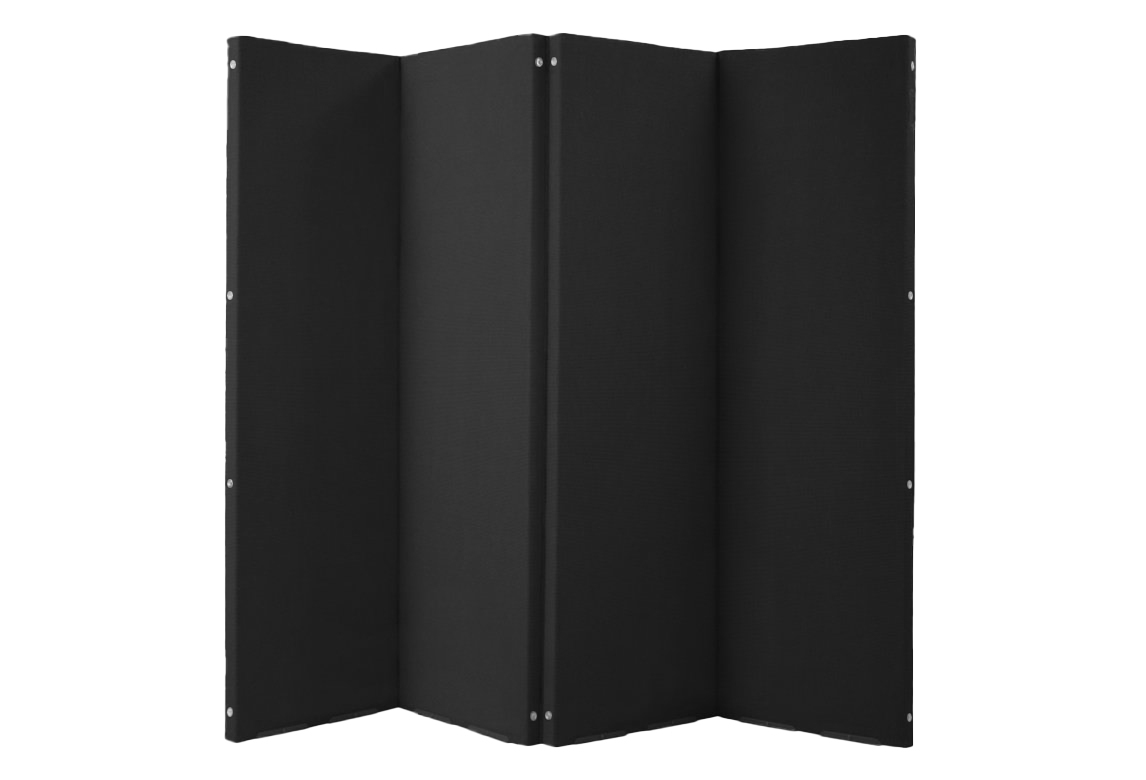
The VersiFold Acoustical Room Divider helps absorb sound while dividing open areas, making it a practical choice for flexible, multipurpose environments.
Office Acoustic Partitions
Create more defined work areas with added visual privacy and light sound absorption. Office acoustic partitions can separate desks, organize teams, and reduce distractions without permanent walls.
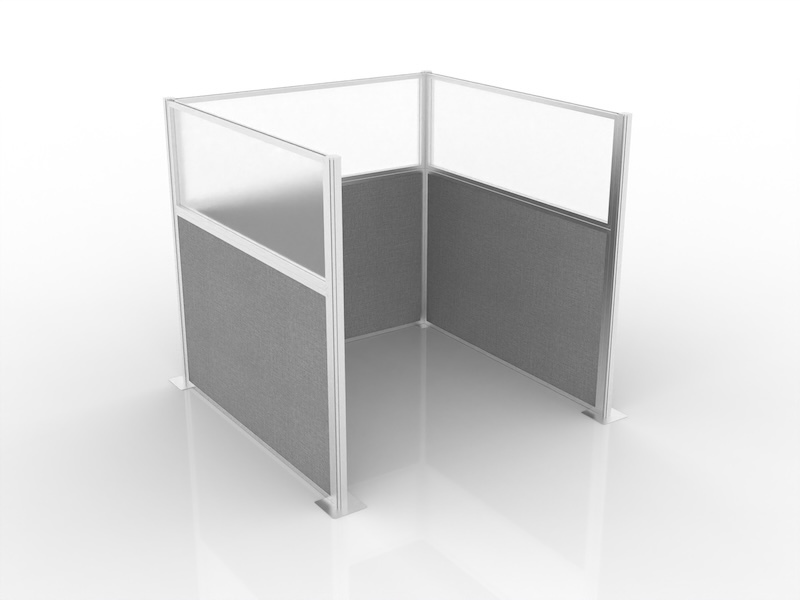
Explore Versare’s office cubicles and workstations to find a layout that fits your team. For an individual setup, check out the U-shaped kit that helps employees feel more focused and less exposed.
Understanding What Acoustic Panels Don’t Do
Acoustic panels can improve how a room sounds, but they cannot solve every noise problem. Knowing their limits can help you choose the right solution.
They Don’t Soundproof a Room
Acoustic panels control sound inside a room. They do not stop noise from traveling through walls, doors, ceilings, or floors. If you need to keep sound from reaching nearby spaces, you may also need soundproofing.
They Don’t Eliminate Every Noise
Acoustic panels will not silence loud equipment, HVAC systems, traffic, or other ongoing noise. These issues may require maintenance, layout changes, or other noise-control solutions.
They Don’t Guarantee Complete Speech Privacy
Acoustic panels can make nearby conversations less distracting, but they cannot make them completely private. Sensitive discussions may still require an enclosed room, sound masking, or additional soundproofing.
Improve Office Acoustics with the Right Acoustic Panels
Acoustic panels reduce echo, improve speech clarity, and help create calmer, more comfortable work environments. The strongest results come from choosing the right panel type, using adequate coverage, and placing panels where they can address the room’s most significant sound reflections.
See Versare’s lineup of acoustic panel solutions and how they can improve offices, meeting rooms, classrooms, multipurpose spaces, and more. Need additional help? Request a quote today.