

Where to Place Acoustic Panels for Maximum Sound Control
Posted by Kate Murphy on Jul 1st 2026
Ever walked into a room that sounded louder than it should have? Conversations echo, music feels muddy, and video calls become harder to follow. Acoustic panels can help, but only if they're placed in the right locations.
When it comes to acoustic treatment, placement matters just as much as the panels themselves. A few panels in the right spots can dramatically reduce echo and improve sound quality throughout a space.
Let's break down where to place acoustic panels for the biggest impact, without making it feel like a daunting renovation project.
General Placement Principles
Acoustic panels work best when they're placed where sound naturally travels and reflects. The goal isn't to eliminate sound altogether—it's to reduce echoes, improve clarity, and create a more comfortable environment for conversations, music, work, or relaxation.
Height and Listening Level
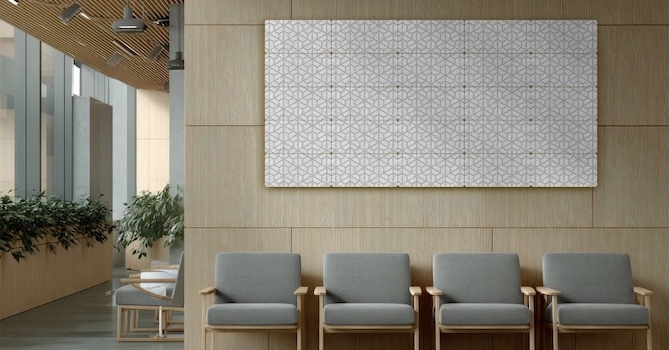
As a general rule, place acoustic panels where sound is most likely to interact with occupants. In most spaces, that's about four to six feet off the floor—at ear level. If people are typically seated, such as in a home office or home movie theater, you can mount panels a little lower.
First Reflection Points
One of the best places to install acoustic panels is at a room’s first reflection points. These are the surfaces sound reaches first after leaving a speaker, television, workstation, or person speaking. Most often, those areas are the side walls and ceiling.
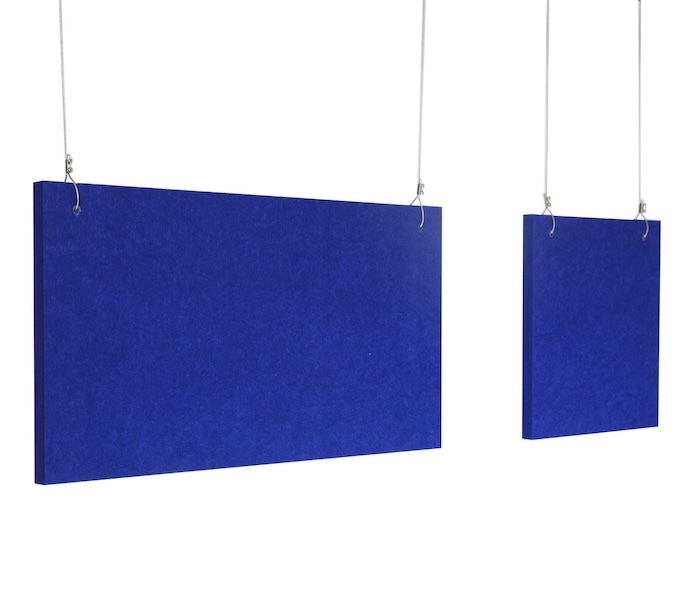
Because these surfaces are responsible for many of the echoes and sound reflections in a room, treating them can significantly improve clarity and reduce unwanted noise. In many cases, addressing first reflection points provides the biggest acoustic improvement with the fewest panels.
Behind Listening Areas
While side walls and ceilings handle many early reflections, the wall behind the listener is often overlooked. Sound can travel across the room, bounce off the rear wall, and reflect back toward seating areas, creating a delayed echo or obscuring conversations, music, and media.
Placing acoustic panels behind desks, couches, or other listening areas helps absorb those reflections before they return into the room. It's a simple adjustment that can make a noticeable difference in overall sound quality.
Techniques for Optimal Placement
Once you've identified the general treatment areas, you can refine your acoustic strategy using a few proven techniques.
The Mirror Trick
One of the simplest ways to locate reflection points is a technique commonly known as the mirror trick. Start by sitting or standing in your normal listening position. Have another person hold a mirror against a nearby wall and slowly move it along the surface. Whenever you can see the sound source reflected in the mirror—whether it's a speaker, television, workstation, or other source of noise—mark the location.
Those marked areas indicate where sound is likely reflecting toward the listener, making them ideal candidates for acoustic panel placement. The process can be repeated on multiple walls and even ceilings to create a more complete acoustic treatment plan.
Spacing for Balanced Coverage
Acoustic panels work best when they're spread throughout a space rather than clustered in one area. While grouping panels together may absorb sound in a single location, it often leaves echoes and reflections free to bounce around the rest of the room.
As a general guideline, leave some space between panels, but not too much. Try to keep gaps smaller than twice the width of the panel itself. Giving panels a little room to breathe often works better than placing them edge-to-edge.
Addressing Localized Noise Sources
Sometimes the problem isn't the room—it's a specific source of noise. Printers, servers, and air purifiers can create distractions on their own.
In these situations, movable acoustic panels can help contain noise at the source. Positioning panels nearby helps absorb sound before it spreads throughout the space, making them especially useful in offices, schools, healthcare facilities, and other multi-purpose environments.
Scenario-Based Acoustic Optimization
Every space sounds a little different. Here are a few acoustic panel placement strategies for some of the most common environments.
Home Studio Setup
Recording spaces benefit from some of the most targeted acoustic treatment.
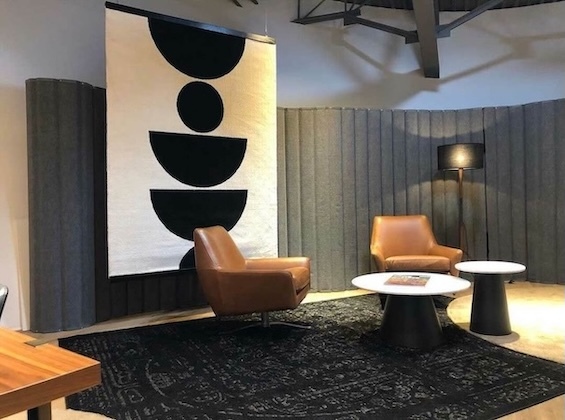
Focus on key reflection points around the recording area and listening position. Side walls, ceilings, and rear walls are often the most important surfaces to treat. This helps reduce unwanted reflections, resulting in cleaner recordings and more accurate playback.
Music Rooms
Whether you're practicing piano, guitar, drums, or vocals, too much echo can make it harder to hear your music clearly.
Start by placing acoustic panels on walls where sound is most likely to reflect and consider adding bass traps in corners to help manage lower frequencies. The result is a cleaner, more balanced sound that makes practice sessions and performances more enjoyable.
Home Office Environment
Video calls, virtual meetings, and webinars have made room acoustics more important than ever.
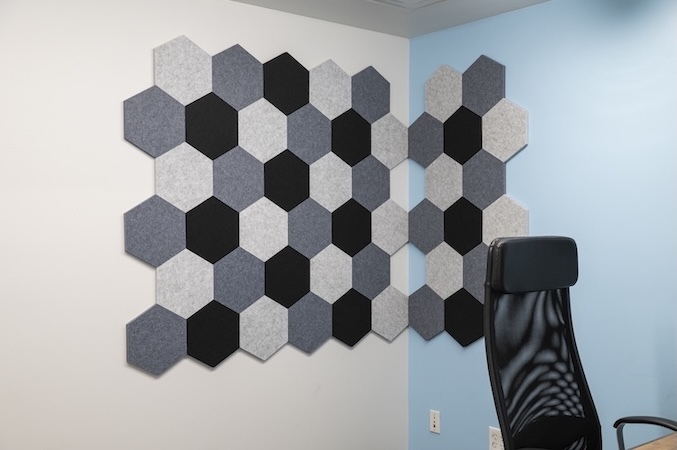
If your office sounds echoey, acoustic panels can help absorb reflections and improve speech clarity. Placing panels around your desk or behind your workstation can make conversations sound clearer and more professional. As an added benefit, they can also help reduce distractions and make it easier to stay focused throughout the day.
Bedroom Acoustics
Bedrooms are meant to be a place to unwind, but sound can easily travel through hard surfaces and create unwanted noise.
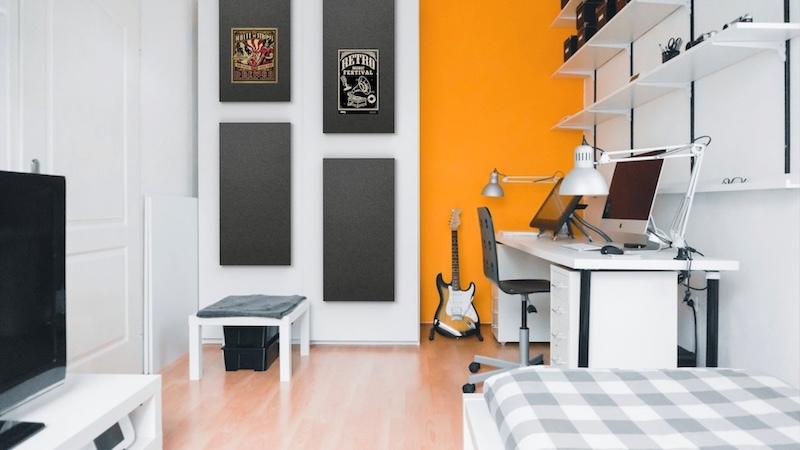
For a quieter, more relaxing environment, consider placing acoustic panels behind the bed and on nearby walls where sound is most likely to bounce. A few well-placed panels can help reduce echo and create a calmer atmosphere for rest and relaxation.
Living Room Integration
Living rooms often do a little bit of everything, from movie and game nights to reading zones and everyday family life.
The good news is that acoustic treatment doesn't have to stand out. Decorative, mosaic-looking acoustic panels can blend into your existing decor while helping reduce echo and improve sound quality. With the right placement, you can enjoy a more comfortable listening experience without changing the look and feel of your space.
Home Theater Configurations
A great home theater isn't just about the screen—it's about the sound, too.
To get the best experience, place acoustic panels on nearby walls and ceilings where sound is most likely to bounce. Adding panels behind seating areas can also help improve clarity and reduce distracting echoes. You’ll get clearer dialogue, richer sound, and a more immersive movie-watching experience.
Commercial Use Applications
From offices and conference rooms to event centers, schools, and healthcare facilities, acoustic panels can help make busy spaces more comfortable.

By reducing noise and controlling echoes, they improve speech clarity, enhance privacy, and minimize distractions. A combination of wall-mounted and ceiling-mounted panels is often the most effective way to manage sound throughout a commercial environment. This will make for a quieter, more productive space for employees, customers, students, patients, and visitors alike.
Browse Versare’s Selection of Acoustic Panels
The right acoustic solution starts with the right panel. Versare offers a variety of acoustic panel styles, including wall-mounted, freestanding, and decorative designs to suit both residential and commercial environments.
Browse our full selection of acoustic panels or speak with an expert to find the best solution for your space.