


What Is Contract-Grade Furniture & Why You Need It
Posted by Kate Murphy on Apr 15th 2026
When businesses are setting up a new space or expanding an existing one, it’s tempting to cut costs on furniture. After all, a desk is a desk, and a divider is just a divider… right?
Not quite.
Many growing businesses learn the hard way that cheaper, residential-grade furniture doesn’t hold up under daily use. Panels warp, hinges loosen, and surfaces wear down faster than expected. Before long, they’re replacing pieces they just purchased and spending more in the long run.
That’s where contract grade furniture comes in. Built specifically for commercial environments, contract-grade furniture is designed to withstand constant use, frequent reconfiguration, and high-traffic conditions. It’s not just about durability—it’s about long-term value, safety, and performance.
At Versare, we don’t think of partitions and modular systems as temporary add-ons. They’re the walls and workstations that define how your space functions.
What Does Contract-Grade Mean?
Simply put, contract grade furniture is designed and tested for commercial use. It’s built to withstand daily use by large numbers of people and meets higher standards for durability, safety, and performance. Compared to residential furniture, it uses stronger materials, reinforced construction, and practical features like easy-to-clean surfaces.
Furniture labeled as contract grade is specifically designed to withstand continuous, heavy use in commercial environments such as restaurants, hotels, offices, and event spaces. 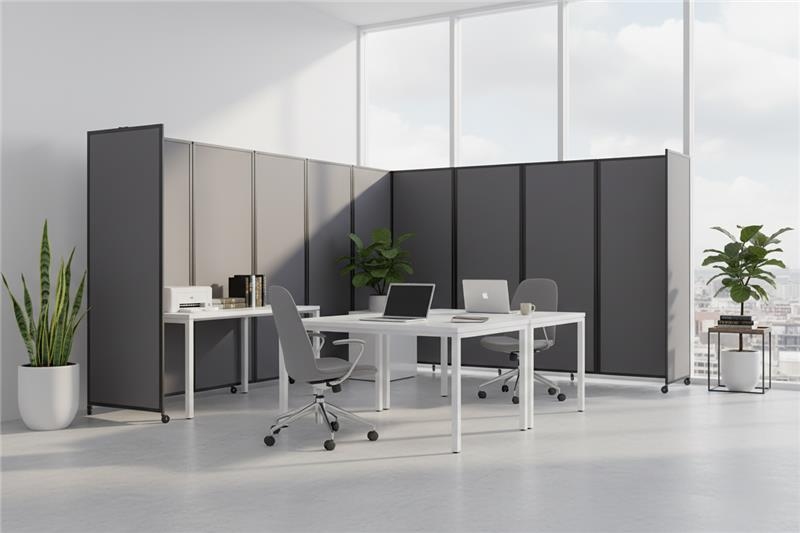
Residential furniture, on the other hand, is built for a household—typically a few hours of use per day by a small number of people. It’s designed for comfort and occasional use, often using lighter materials that aren’t intended for frequent movement or heavy wear.
Built with high-quality aluminum or steel, our systems are designed to outperform the light-duty materials commonly found in home office furniture—delivering long-term durability in demanding commercial environments.
Key Differences Between Residential and Contract-Grade Furniture
The difference between residential and contract-grade furniture isn’t subtle—it’s structural.
Residential-grade furniture:
- Designed for light, occasional use
- Often made with particle board or thin materials
- Not intended to be moved or reconfigured frequently
- Limited warranties and minimal safety certifications
Contract-grade furniture:
- Built for 24/7 high-traffic environments
- Engineered with durable materials like steel and aluminum, or fabrics and surfaces designed for easy cleaning while still projecting professional polish.
- Tested for repeated movement and reconfiguration
- Designed to meet fire codes and safety standards
- Backed by multi-year commercial warranties
For example, the Room Divider 360® features patented 360-degree, no-pinch hinges that eliminate weak points and reduce safety risks found in basic hinge systems. Many of our products are also ASTM E84 fire-rated and offer NRC-rated acoustic performance (up to 0.77), meaning they don’t just divide space, but they improve how it functions.
Is Contract-Grade More Expensive? The ROI of Choosing Right the First Time
At first glance, contract-grade furniture may seem more expensive. But the real consideration is total cost of ownership. A low-cost room divider might only last a year or two before needing replacement. Over time, those repeated purchases add up, along with the hidden costs of downtime, frustration, and disruption.
Contract-grade furniture options are built to last longer, require less maintenance, and perform reliably in demanding environments, making it a more cost-effective choice over time. Because Versare operates direct-to-consumer, businesses get commercial-grade quality without dealer markups, further increasing long-term value.
Who Needs Contract-Grade Modular Furniture?
If your space sees regular use, contract-grade furniture isn’t optional—it’s essential. It plays a critical role across a wide range of environments. 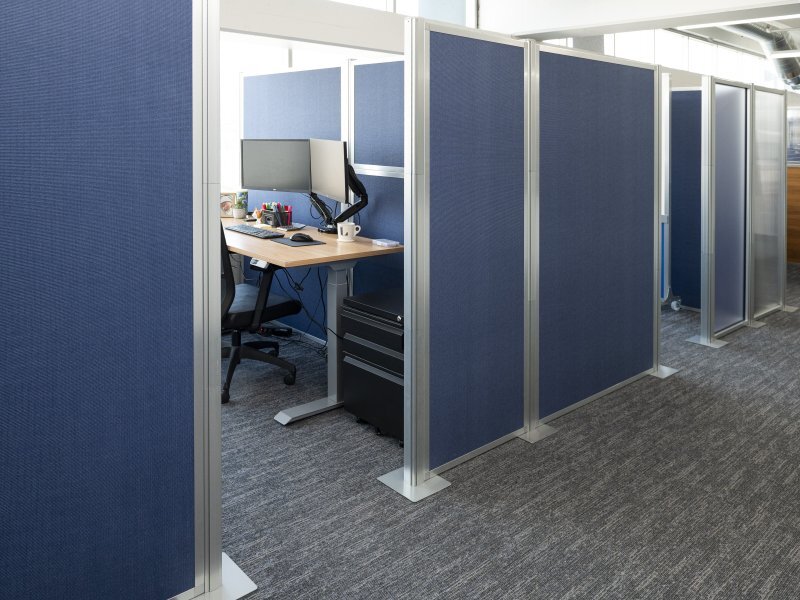
In modern offices, it supports flexible work zones, private meeting areas, and layouts that evolve with your team. In education and religious facilities, it enables multipurpose spaces with durable systems that can be reconfigured daily. Healthcare and senior living environments benefit from easy-to-sanitize, compliant materials that support safety and cleanliness. In hospitality and airports, contract-grade solutions help manage high traffic with durable privacy screens, crowd control, and adaptable layouts.
A Checklist for Evaluating Contract-Grade
Before investing, make sure your furniture meets the standards of true contract-grade performance:
- Commercial-grade warranty that supports long-term use
- Safety certifications and fire-rated materials that meet building code requirements
- Cleanability with industrial-grade disinfectants
- Modular, reconfigurable design that adapts as your needs change
- Durable construction and materials using strong frames (like steel or aluminum) and high-performance surfaces (easy-to-clean, coatings, moisture-resistance, etc.) that stand up to abrasion and daily wear
If a product falls short in any of these areas, it’s unlikely to deliver the durability and reliability required in commercial environments.
Why Choose Versare for Your Contract-Grade Investment?
Not all contract-grade furniture is created equal, and choosing the right partner makes all the difference. Versare combines commercial-grade engineering with modern, adaptable design to deliver solutions built for long-term performance. With durable materials, certified fire safety and acoustic performance, and modular systems that evolve with your space, Versare products are designed to meet the demands of real-world environments.
If you’re ready to invest in furniture that performs today and adapts for what’s next, explore Versare’s contract-grade solutions or connect with our team to get started.