

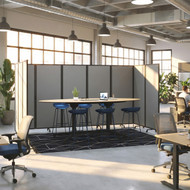
How to Create Quiet Office Spaces for Employees
Posted by Kate Murphy on Apr 8th 2026
“Hey—can you hear me?”
“Sorry, one second…”
“Can we take this in the hallway?”
Phones ringing. Conversations overlapping. Chairs rolling across the floor. In many offices, this kind of background noise isn’t the exception—it’s the norm. What was meant to encourage collaboration can quickly turn into a constant stream of distractions, making it harder to focus and get meaningful work done.
Quiet office spaces are no longer a nice-to-have. They’re essential for deep work, focus, and overall well-being. The good news: you don’t need a major renovation to make it happen. This guide covers simple, flexible ways to create quieter spaces that work with your layout and evolve with your needs.
8 Steps to Create Quiet Spaces in Your Office
Many of the most effective quiet office solutions are simple, flexible, and easy to implement. Whether you’re working with a large open-plan office or a smaller shared space, these strategies can help reduce noise, improve focus, and create a more comfortable work environment for your team.
1. Start with a Noise Audit
Most employees aren’t completely satisfied with their workspace—about 8 in 10 reported at least one issue, and many had more than one. Noise was the biggest complaint (54% of respondents), followed by temperature (38%) and visual privacy (28%).
Before making any changes, it’s important to understand where noise is coming from and how it affects your team, so Identifying problem areas is a critical first step.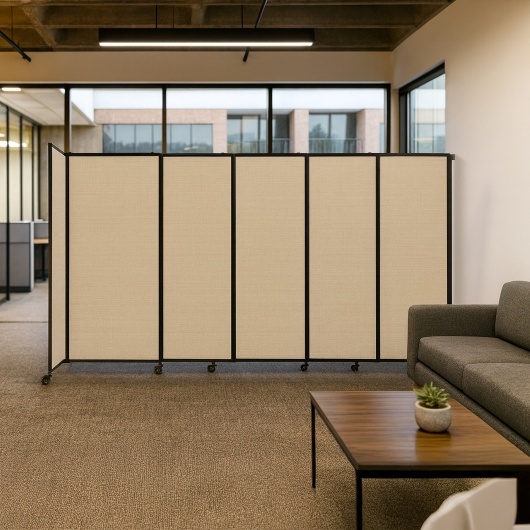
Walk through your office during different times of the day and take note of where sound builds up. Break rooms, collaboration zones, and main walkways are often the loudest areas, especially during peak hours like morning arrivals or lunch. Pay attention to traffic patterns and observe how movement contributes to distractions. Just as importantly, ask your employees directly. A quick survey can reveal patterns you might not notice, like recurring noise near printers or shared workstations.
2. Use Portable Office Partitions
Once you know where noise is concentrated, you can start shaping quieter areas. Portable office partitions are one of the fastest and most effective ways to do this. Because they’re freestanding, they allow you to divide space instantly without construction or permits.
For example, you might create a small focus zone within an open office by surrounding a cluster of desks with acoustic partitions. These not only provide visual separation but also help reduce sound transfer between areas. The biggest advantage is flexibility. If the layout doesn’t work, you can easily move the partitions and try a different configuration until you find what works best.
3. Install Acoustic Treatments
Blocking sound is only part of the solution—absorbing it is just as important. In many offices, hard surfaces like glass, concrete, and drywall cause sound to bounce around, creating echoes and amplifying background noise.
Adding acoustic wall panels or ceiling panels can dramatically reduce this effect. Additionally, soft materials like carpet tiles and upholstered furniture help dampen sound, making the environment feel calmer and more controlled. For added flexibility, mobile acoustic screens can be used to create temporary quiet zones that can be adjusted as needed.
4. Add Phone Booths or Focus Pods
In today’s hybrid work environment, phone calls and video meetings are constant. Without dedicated spaces, these conversations can quickly disrupt an entire office. Phone booths and focus pods provide enclosed areas where employees can take calls or join meetings without disturbing others. These spaces also give employees a sense of privacy, which is increasingly important for focused work.
5. Use Furniture to Create Sound Buffers
Not all noise solutions require specialized products—sometimes it’s about using what you already have more strategically. When placed thoughtfully, furniture can help block and absorb sound.
Tall bookshelves or storage units can interrupt noise pathways, preventing sound from traveling across the room. High-back lounge chairs create semi-private areas for focused work or small meetings. Even desk orientation matters. Positioning desks back-to-back instead of face-to-face reduces direct exposure to conversations, helping employees stay more focused throughout the day.
6. Improve Layout and Traffic Flow
Noise isn’t just about sound. It’s also about movement. Offices with heavy foot traffic often feel more distracting because of the constant activity. To minimize this, place quiet zones away from entrances, hallways, and other high-traffic areas. Avoid positioning focus areas near shared amenities like kitchens, printers and fax machines, or break rooms. Keeping walkways clear and intentional can also reduce unnecessary interruptions.
7. Introduce Sound-Masking Solutions
In larger offices, eliminating noise entirely isn’t always realistic, or even necessary. Instead, sound masking can help make noise less distracting.
Sound masking introduces a gentle background noise that helps “cover up” conversations, so they blend into the space instead of distracting you. The result is a calmer, more consistent sound environment where it’s easier to focus.
Research shows sound masking can reduce distractions and improve concentration by making speech less noticeable, helping employees stay focused in open office environments. It’s especially effective in large spaces where creating physical barriers everywhere isn’t practical.
8. Establish Clear Quiet Zone Guidelines
Even the best-designed office space for peace and quiet won’t be effective without clear expectations. Employees need to understand how these areas are meant to be used.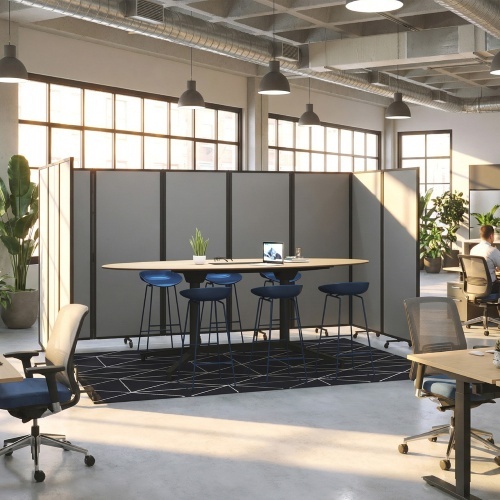
Simple guidelines, such as using headphones or keeping conversations to a minimum, can go a long way. Encouraging respectful behavior helps maintain the purpose of the space. Subtle signage, like “Focus Zone” or “Quiet Area,” can reinforce these expectations without feeling overly restrictive.
Create Quiet Spaces in Your Office with Versare
Quiet spaces aren’t meant to replace collaboration. They’re meant to support it. A well-designed office balances areas for teamwork with areas for focus, giving employees the flexibility to choose the environment that best suits their task.
With adaptable solutions like office partitions, acoustic panels, and modular room pods, you can design quiet zones without permanent walls or costly renovations. The key is flexibility: start small, experiment with different layouts, and evolve your space as your needs change.
Ready to create a quieter, more productive office? Reach out to our team to explore solutions designed to build effective quiet spaces that work for you.