

How to Create an Office Breakout Area: 8 Ideas and Tips
Posted by Kate Murphy on Mar 11th 2026
The modern office isn’t just about desks and meeting rooms. Breakout spaces are changing how teams collaborate, recharge, and get work done.
As hybrid schedules and more collaborative work styles reshape today’s workplace, breakout areas are becoming increasingly important. They give employees flexible places to gather for quick conversations, informal meetings, or simply a change of scenery during the day.
If you're thinking about adding a breakout area to your office, here’s how to design one that works for your team. 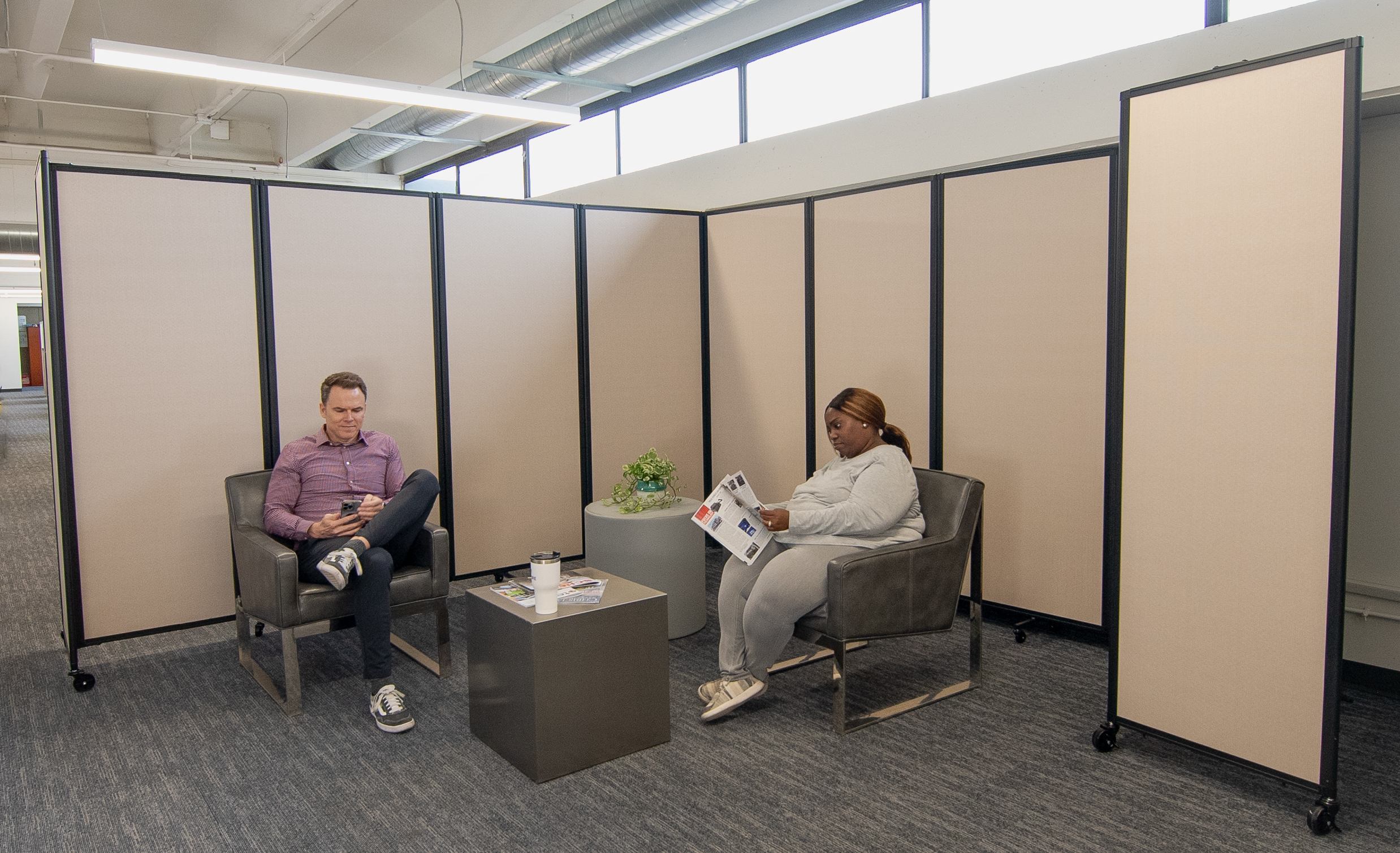
What Is an Office Breakout Area?
An office breakout area is a flexible space where employees can step away from their desks to relax, recharge, or collaborate in a more informal setting. These spaces may take the form of a separate room, a screened-off section of the office, or an open lounge-style area with comfortable seating and a calm atmosphere.
An office breakout area can serve many purposes throughout the workday. Employees might use it for quick team check-ins and brainstorming sessions, solo work tasks, phone calls, a mid-afternoon snack break, or simply stepping away from their desk to recharge.
They can also vary widely in size and layout. Some offices create small alcoves with a few comfortable chairs, while others design larger lounge-style zones with high-top tables and flexible seating. No matter what, the goal is the same: to provide a space that supports different types of work and recharging in a more relaxed setting.
Why Are Office Breakout Areas Important?
Breakout areas offer more than just a comfortable place to sit. They play an important role in how employees interact with their workplace.
For one, they support employee well-being. Research on workplace “micro-breaks” has found brief pauses during the workday can reduce fatigue and stress and help employees return to their tasks with renewed energy.
Social breaks, like chatting with coworkers, can be just as valuable. Taking a few minutes to connect with colleagues helps people share experiences, build relationships, and feel more connected to their team. They also encourage spontaneous collaboration. Some of the best ideas happen outside formal meetings, and a breakout area creates space for those natural conversations.
Breakout spaces can also improve productivity. Different tasks benefit from different environments, and giving employees options helps them work in ways that feel more effective.
8 Ideas and Tips for Designing an Office Breakout Area
Creating an office breakout area doesn’t require a large renovation, but it does benefit from thoughtful planning.
1. Start with a Clear Purpose
Before choosing furniture or layouts, decide how the breakout space will be used. Some organizations focus on collaboration, while others want a place for quiet thinking or relaxation. Gathering employee feedback can help ensure the space supports real work habits rather than assumptions.
2. Choose the Right Location
Location can determine whether a breakout space becomes popular or overlooked. Areas near natural light tend to feel more inviting, while spaces near kitchens or coffee stations naturally encourage interaction. At the same time, breakout areas should be positioned far enough from quiet desk zones to prevent distractions.
3. Design Distinct Zones Within the Space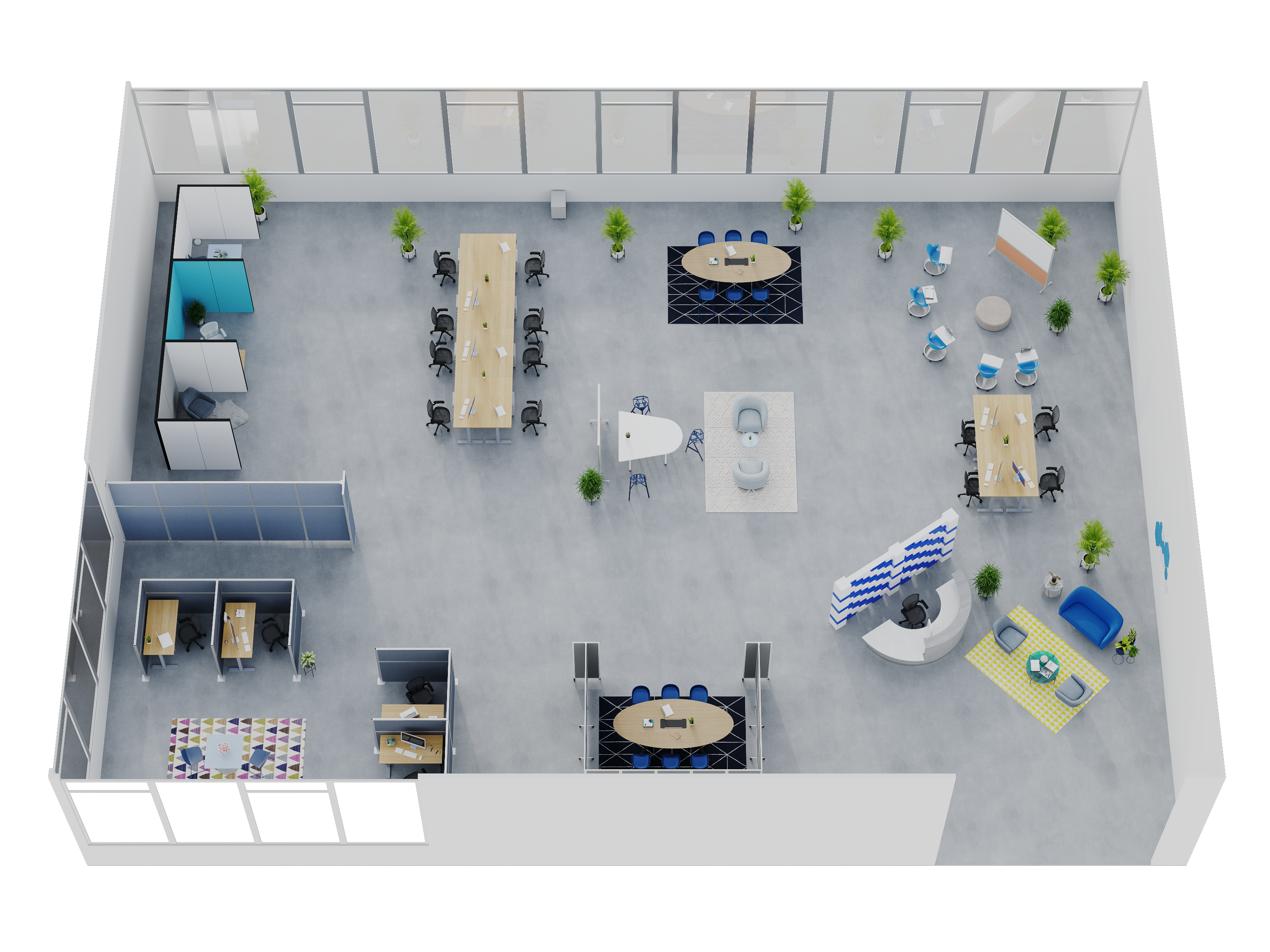
Even smaller breakout areas can support multiple activities by dividing the space into zones. For example, one area might support collaboration while another offers quieter seating for individual work. Furniture placement, rugs, planters, or portable partitions can help define these areas without major construction.
4. Offer a Variety of Seating Options
Comfort and flexibility go a long way. A mix of seating types helps accommodate different activities. Lounge chairs can support casual conversations, while tables or booth seating work well for informal meetings. Movable chairs and stools allow groups to adjust the space easily.
5. Integrate Practical Technology
Technology should support the space without overwhelming it. Easy access to power outlets and charging stations is usually enough for most uses. Some breakout areas also include screens for quick team discussions. Make sure to keep technology subtle and non-intrusive.
6. Balance Collaboration and Quiet 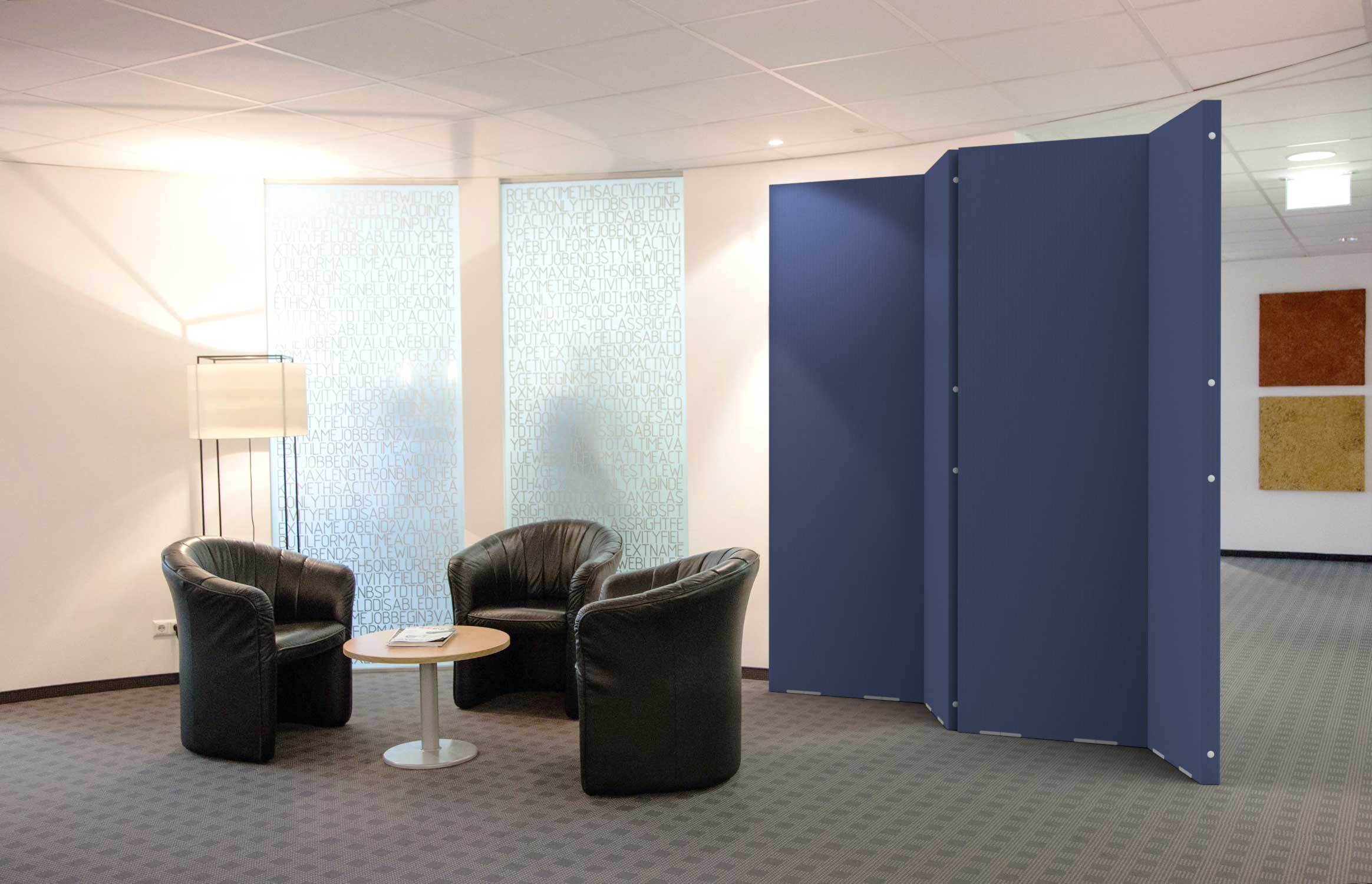
Breakout areas often encourage conversation, but they shouldn’t become overly noisy. Including both active collaboration spaces and quieter corners helps support different needs. Writable surfaces, screens, or collaborative tables can support brainstorming, while wall-mounted acoustic treatments and sound-absorbing panels offer quieter spaces for focus or solitude.
7. Use Materials and Lighting to Shape the Mood
Softer lighting can make relaxation areas more inviting, while brighter lighting supports collaborative work. Natural textures, comfortable fabrics, and greenery can also make breakout spaces feel warmer and more welcoming.
8. Design for Flexibility and Adaptability
Workplace needs change, so a breakout area should be easy to adapt. Modular furniture, partitions on rolling casters, or movable seating makes it simple to rearrange the space for workshops, team meetings, or events.
Common Mistakes to Avoid When Designing a Breakout Area
While breakout areas can be incredibly valuable, a few common design choices can limit how effective they become. One of the biggest mistakes is placing the space too close to focused work zones and cubicles, where conversations and activity can easily create distractions. Offering only one type of seating can also make the area feel restrictive rather than flexible. They shouldn’t be treated as leftover space filled with spare furniture. When planned intentionally, they can become valuable hubs for collaboration, creativity, and quick mental resets throughout the workday
Another detail that’s often overlooked is acoustics. Without thoughtful sound management, breakout areas can quickly become louder than intended and discourage people from using them.
Create an Office Breakout Area That Supports Your Team
An office breakout area is more than just a lounge space. It’s a valuable part of a flexible, people-focused workplace. When designed thoughtfully, this area gives employees a comfortable place to collaborate, recharge, or focus away from their desks. By balancing comfort, flexibility, and functionality, breakout spaces can support both team collaboration and individual productivity throughout the workday.
If you’re planning a breakout area, flexible design elements like movable partitions and acoustic panels can help create spaces that adapt as your team’s needs evolve.
Explore flexible workspace solutions or contact us to learn how to design a breakout space that works for your office.