


8 Homeschool Classroom Ideas for Small Spaces
Posted by Kate Murphy on Feb 6th 2026
Homeschooling doesn’t require a dedicated classroom—just a little creativity (and clearing off the table first). In fact, many families make homeschooling work beautifully in the middle of everyday life—at the dining table, in a living room corner, or tucked into a kitchen nook. Even small spaces can become great places to learn.
With smart organization strategies and flexible setup ideas, you can build a learning environment that feels calm, functional, and easy to reset at the end of the day. In this post, we’ll share practical homeschool classroom ideas for small spaces that fit real homes, real routines, and real families.
Quick Principles for Small-Space Homeschool Setups
Before making any changes to your space, start with a few foundational rules. These principles will keep your setup simple, organized, and sustainable.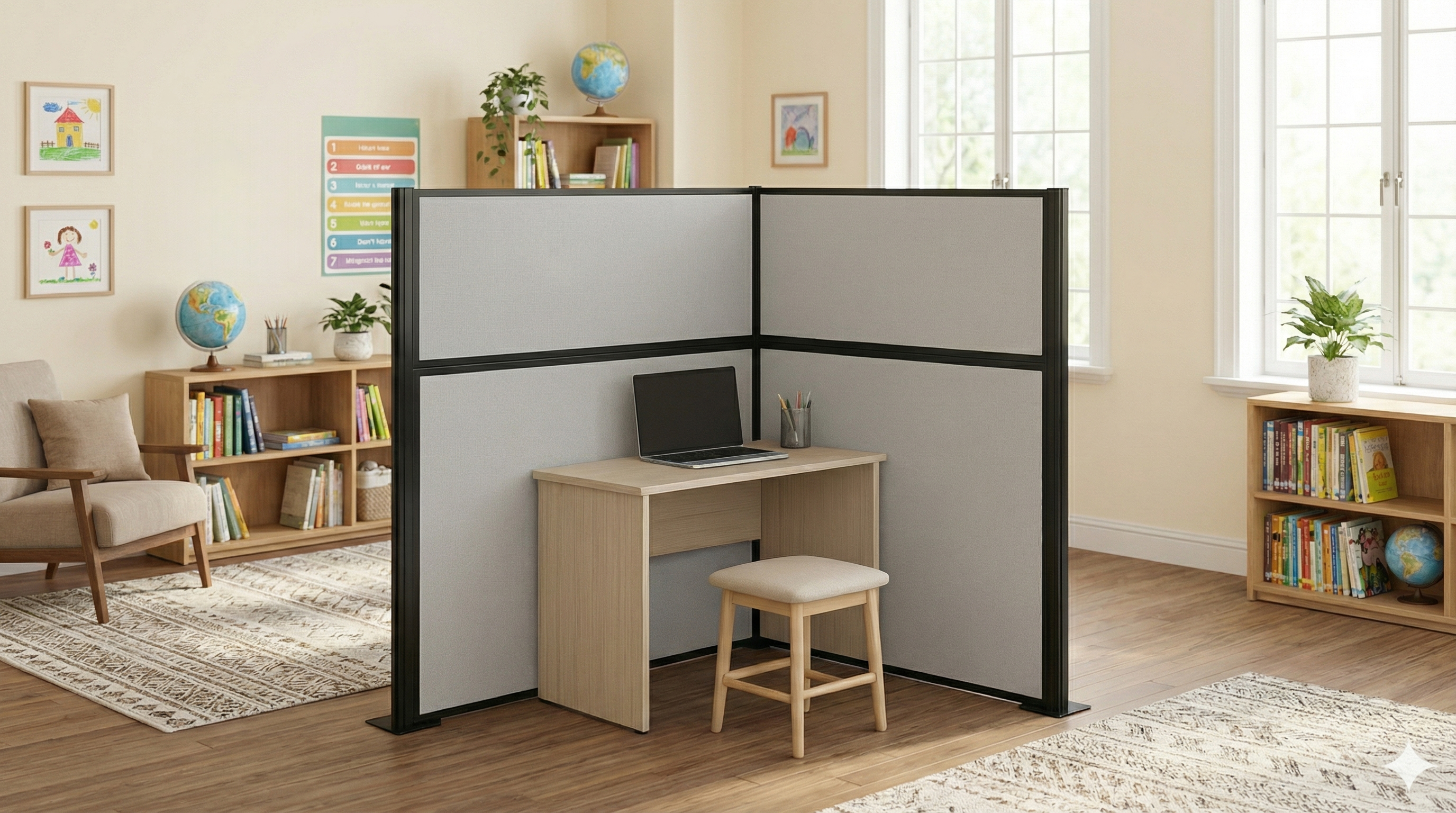
1. Make the School Aspects Blend with Your Home
When homeschooling happens in shared spaces, the best setups don’t look like a classroom took over your house. Instead, aim for organization that feels cohesive with your home’s style. Using matching bins, neutral baskets, or furniture that complements your decor can make the homeschool area feel like a natural part of your living space.
2. Put Storage Options Near the Homeschool Area
Small spaces work best when supplies are close by. If you have to walk across the house to find pencils or books, materials will end up scattered everywhere. Keeping storage nearby, whether that’s a rolling cart, a small bookshelf, or a cabinet shelf, helps everything stay contained. The goal is quick access without adding clutter.
3. Store Items by Frequency of Use
Organizing materials by how often they’re used helps keep your homeschool area tidy. Daily essentials should be grab-and-go, weekly supplies can stay nearby but out of the way, and occasional items can be stored higher up or elsewhere.
4. Keep Certain Items Out of Reach
In a small-space homeschool, boundaries matter. Some supplies are better stored where kids can’t access them freely, especially messy materials or small pieces. Higher shelving works well for teacher resources, special projects, and anything that could easily create chaos. Clear “kid access rules” protect order and make cleanup much easier.
5. Create Simple Visual & Auditory Boundaries
One of the biggest homeschool challenges is distraction. In shared spaces, it helps to define where “school” happens, even if it’s temporary. A simple visual boundary, like a bookshelf or portable partition, can create a sense of structure and help kids focus. Acoustic panels can also reduce noise in busy homes, making learning feel calmer without needing a separate room.
8 Homeschool Setup Ideas
These homeschool setup ideas are designed to be flexible. Pick a few that work best for your space, schedule, and routine.
1. The Dining Table Classroom
For many families, the dining table becomes the homeschool HQ. The key is making it easy to set up and reset quickly. A simple table bin or supply caddy can hold daily essentials, while a wipeable mat makes cleanup easy. Keeping one teacher tote for lesson plans and important materials ensures you always have what you need. At the end of the day, a quick reset routine helps the dining area return to normal family life.
2. Rolling Homeschool Cart
A rolling cart is one of the most effective ways to keep homeschool supplies organized and easy to move. Some families use one cart per child, while others dedicate carts to specific subjects. The top level can hold daily essentials, while lower levels store books, projects, or art materials. When school is finished, the cart can be rolled into a closet or corner.
3. Living-Room Corner Workstation
A small learning corner can transform an unused part of your living room into a functional workstation. A small desk or floating desk paired with a few wall shelves provides enough space for books and supplies. Adding a single task light helps create focus, and choosing a chair that tucks away completely keeps the area neat when school is done.
4. “Each Kid Has a Tote” System
One of the simplest organization solutions is giving each child their own tote. Each tote can hold current books, notebooks, folders, and a pencil pouch. Kids grab their tote at the start of the day and put it away afterward. This makes it easy to homeschool without needing a permanent classroom setup taking up space in your home.
5. Portable Supply Caddies for Shared Essentials
Shared supplies are easier to manage when they stay together. A portable caddy can hold writing tools, scissors, glue, and other basics. Because it’s easy to carry, learning can move from room to room without supplies scattering like confetti behind you.
6. Wall Desk for Tight Rooms
When floor space is limited, vertical solutions are ideal. A slim wall desk creates a workspace without crowding the room. Pairing it with wall-mounted storage above keeps supplies accessible while leaving the floor open. This setup works especially well in bedrooms or small apartments.
7. Subject Zones
Subject zones make cleanup easier and help kids feel ownership over their learning. Even in small spaces, you can create simple labeled areas for reading, math, art, or science. When each subject has a home, it’s easier to stay organized and transition between lessons.
8. Rotating Display Wall
Instead of covering walls with endless papers, create one tackable display space for current work. This might include a weekly poem, a map, or a few pieces of art. Keeping it curated prevents visual clutter while still celebrating learning. Swapping items regularly keeps the space fresh and engaging.
Homeschool Organization Tips for Any Room
No matter where you homeschool, the best systems have one thing in common: they’re quick to set up and simple to reset at the end of the day.
No Dedicated Room
If you don’t have a dedicated homeschool room, a “pop-up classroom” approach works well. Give each child their own grab-and-go tote for books and daily materials and keep shared essentials in one portable supply caddy. To prevent papers from spreading across the house, use a single work-in-progress holder where unfinished assignments can stay contained.
Extra materials can be organized into simple daily, weekly, and occasional bins, making it easy to pull out what you need and reset everything at the end of the day.
Living Room Homeschool
Homeschooling in the living room works best when you create a small learning corner rather than letting supplies take over the whole space. A compact desk or table paired with vertical wall storage can hold the materials you’re actively using, while everything else can be tucked away in baskets, cabinets, or an ottoman. Since the living room is a shared family area, a quick daily reset, like clearing surfaces and putting supplies back into storage, helps the room feel peaceful once school is over.
Kitchen-Based Homeschool
Kitchen-based homeschooling is popular because it keeps learning close to the heart of the home. A simple way to stay organized is to claim one school drawer and one cabinet shelf near your table for everyday supplies. Keep daily items in a tabletop caddy, and store papers upright in magazine holders so they don’t pile up.
Weekly projects or curriculum kits can live in one labeled pantry bin. When lessons are finished, wiping down the table and returning materials to their spots keeps the kitchen functional for the rest of the day.
Bedroom Homeschool 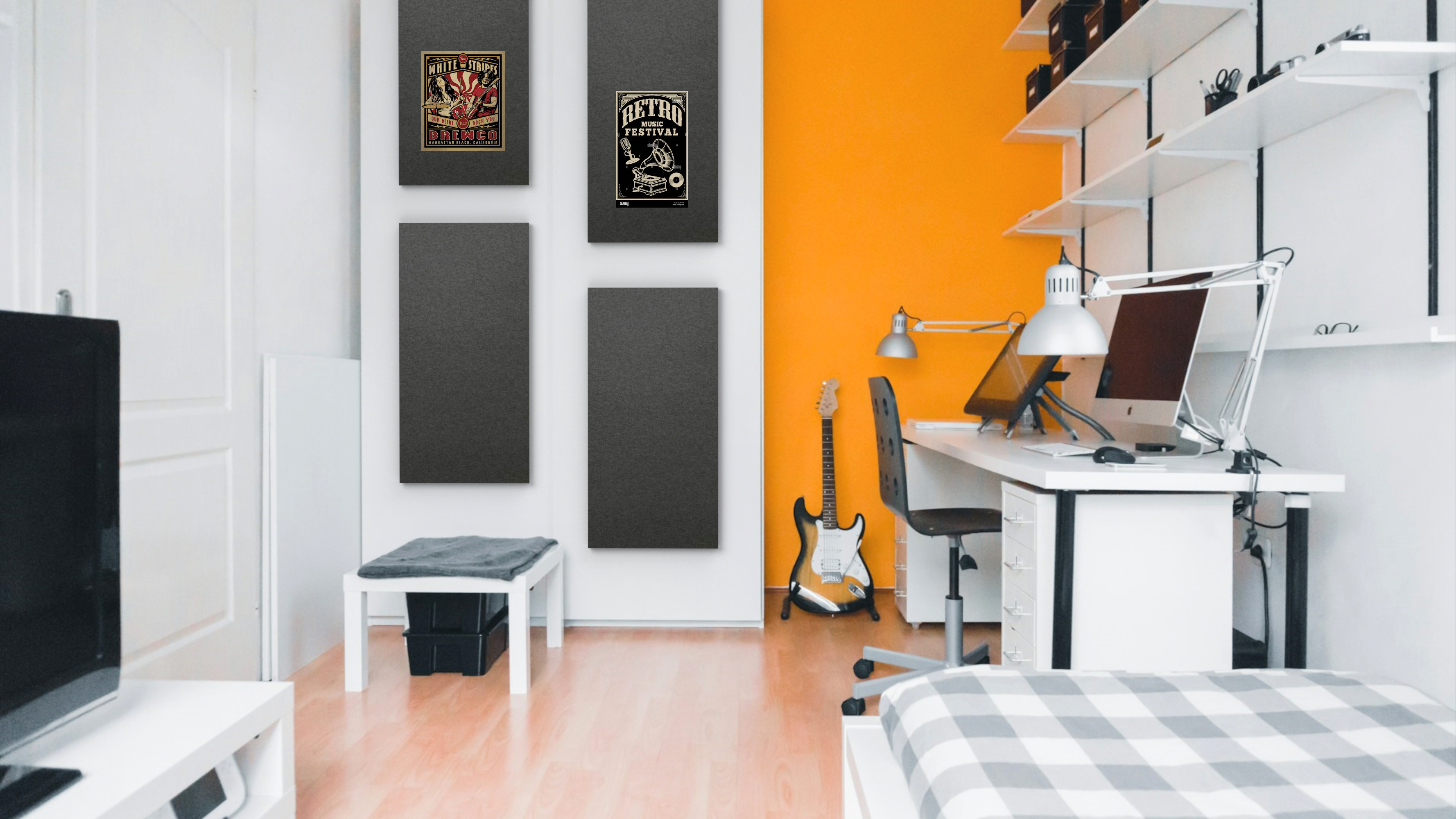
A bedroom homeschool setup should stay minimal so the space still feels restful. A narrow desk, lap desk, or small work surface is often enough, especially when paired with over-the-door pockets or a simple wall shelf for storage. Supplies can be stored in a lidded bin under the bed to keep everything out of sight when not in use. Keeping school materials packed away outside of learning hours helps preserve the calm vibe of the room.
Since bedrooms are naturally quieter spaces, they can also be ideal for focused independent work. Adding acoustic wall panels is a simple way to soften sound even further, creating an atmosphere that supports both restful sleep and quiet, distraction-free learning.
Garage or Basement Homeschool
Garages and basements can be ideal for hands-on or messy projects like art, science experiments, or building activities. A sturdy table, an easy-clean mat, and labeled bins help keep materials organized and contained. Storing supplies by project type makes it easier to find what you need without clutter. Adding a shelf for drying or unfinished work can also keep ongoing projects from spreading into the rest of the home.
Improve Your Homeschool Space with Versare
If you’re looking for simple ways to make your homeschool setup feel more focused, comfortable, and easy to maintain, we’re here to help. Connect with the team to learn more about flexible options that fit your home, your routine, and your learners.