

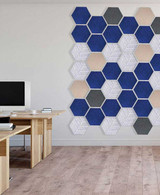
Versare’s sound-absorbing acoustic panels, partitions, and dividers are perfect for reducing noise levels and ambient noise in workspaces, recording studios, restaurants, and much more. Use them to control echo and dampen sound where you need it most. Choose from a wide range of sizes, shapes, and designs to find the right sound-absorbing solution for your space.
Tone Down the Sound With Acoustic Panels
Improve the sound quality in your room with SoundSorb™ acoustic panels. When placed on walls and ceilings, sound-absorbing panels help control echo and lower ambient sound levels, especially in busy, open environments.
Shop Acoustical Panels For Walls
Versare's sound-absorbing panels create a calmer, quieter environment where others can interact and communicate effectively.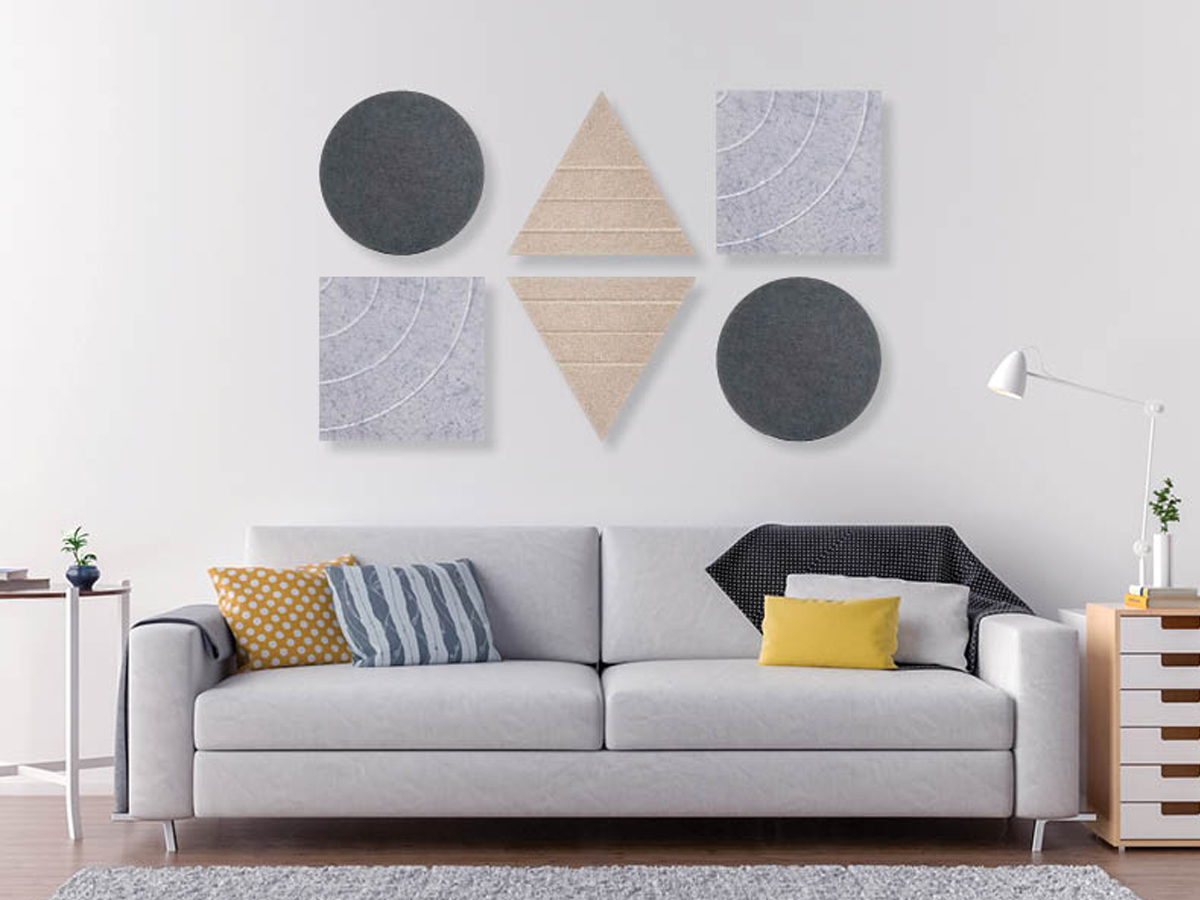
Dampen Sound Stylishly
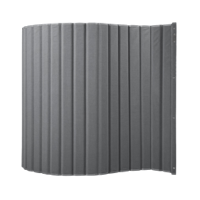
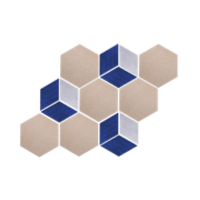
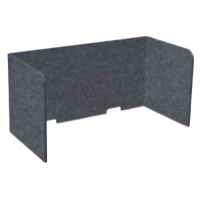
Versare's sound-absorbing acoustic panels and room dividers are available in a range of styles to suit any space or decor. Choose from colorful hexagonal wall panels, modern ceiling-hung panels, sleek desktop dividers, and ribbed acoustic partitions that wrap workstations for added soundproofing and separation.
Shop Acoustic Panels
All of our premium sound-absorbing panels are designed to create a more inviting space with a quieter, calmer feel.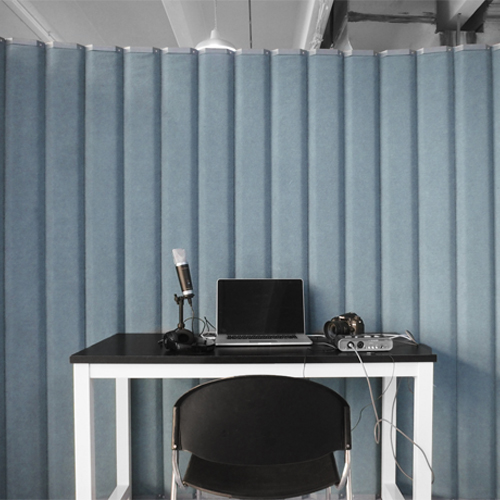
Choose From Several Types of Acoustic Panels
We offer three types of acoustic panels you can install in your space:
Shop Freestanding Partitions
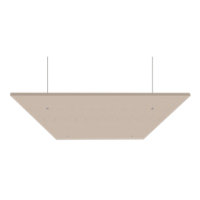
- Acoustic Ceiling Panels: Ideal for open areas where wall space is limited—choose from suspended canopy panels, hanging acoustic baffles, or sound-absorbing tiles that easily install into standard ceiling grids.
- Wall-Mounted Acoustic Panels: Decorative, sound-absorbing panels designed to reduce echo while adding color, shape, and texture to your walls.
- Freestanding Acoustic Panels: Portable acoustic room dividers and acoustic partitions bring sound control wherever you need it. Freestanding acoustic panels are great for creating quieter zones and added separation in busy, shared spaces.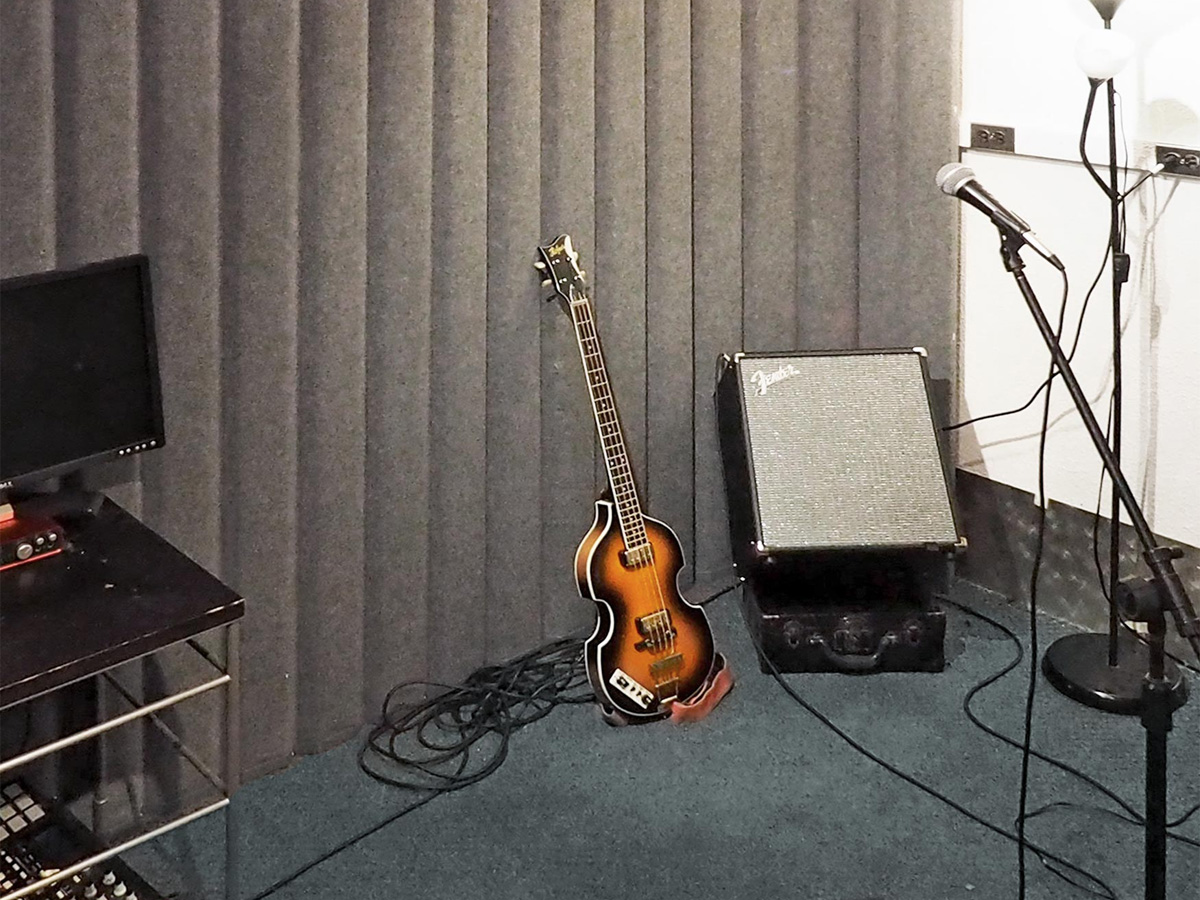
Acoustic Ceiling Panels
Ceiling-mounted sound-absorbing acoustic panels are a smart option when you want noise control that stays out of the way. Lightweight and easy to integrate into standard ceiling grids, these panels are also fire-resistant, mold-proof, moisture-proof, and environmentally friendly.
Shop Hanging Acoustic Baffles
They’re especially effective in bustling offices like open-plan workspaces, corridors, meeting rooms, and conference rooms—where sound tends to build quickly.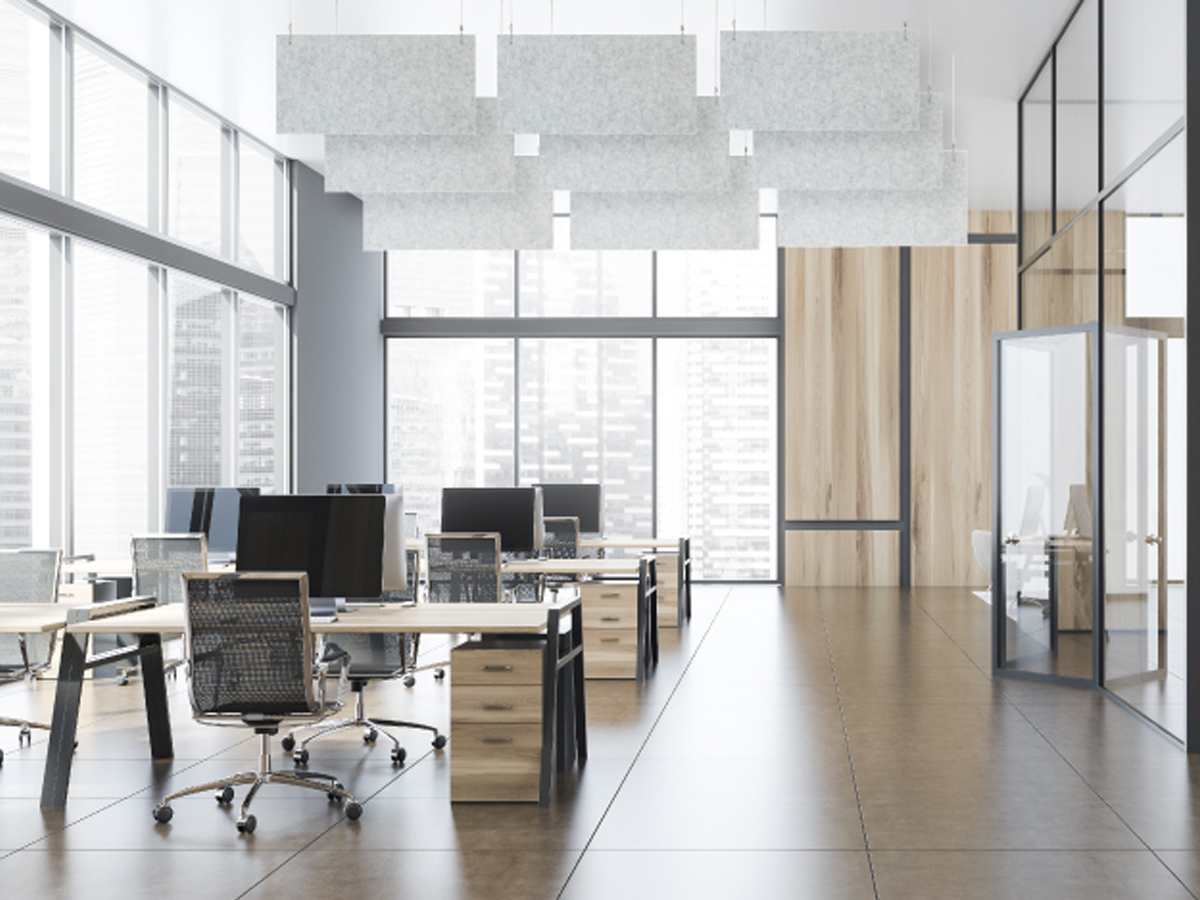
Wall-Mounted Acoustic Panels
Wall-mounted acoustic panels are one of the most effective ways to control echo and lower ambient noise without changing your layout. These sound-absorbing panels are ideal for offices, classrooms, restaurants, studios, and other busy spaces where hard surfaces cause sound to bounce and build up.
Shop Acoustic Room Dividers
Constructed in many shapes and sizes, it is possible to minimize ambient sounds while maintaining a modern, sleek aesthetic.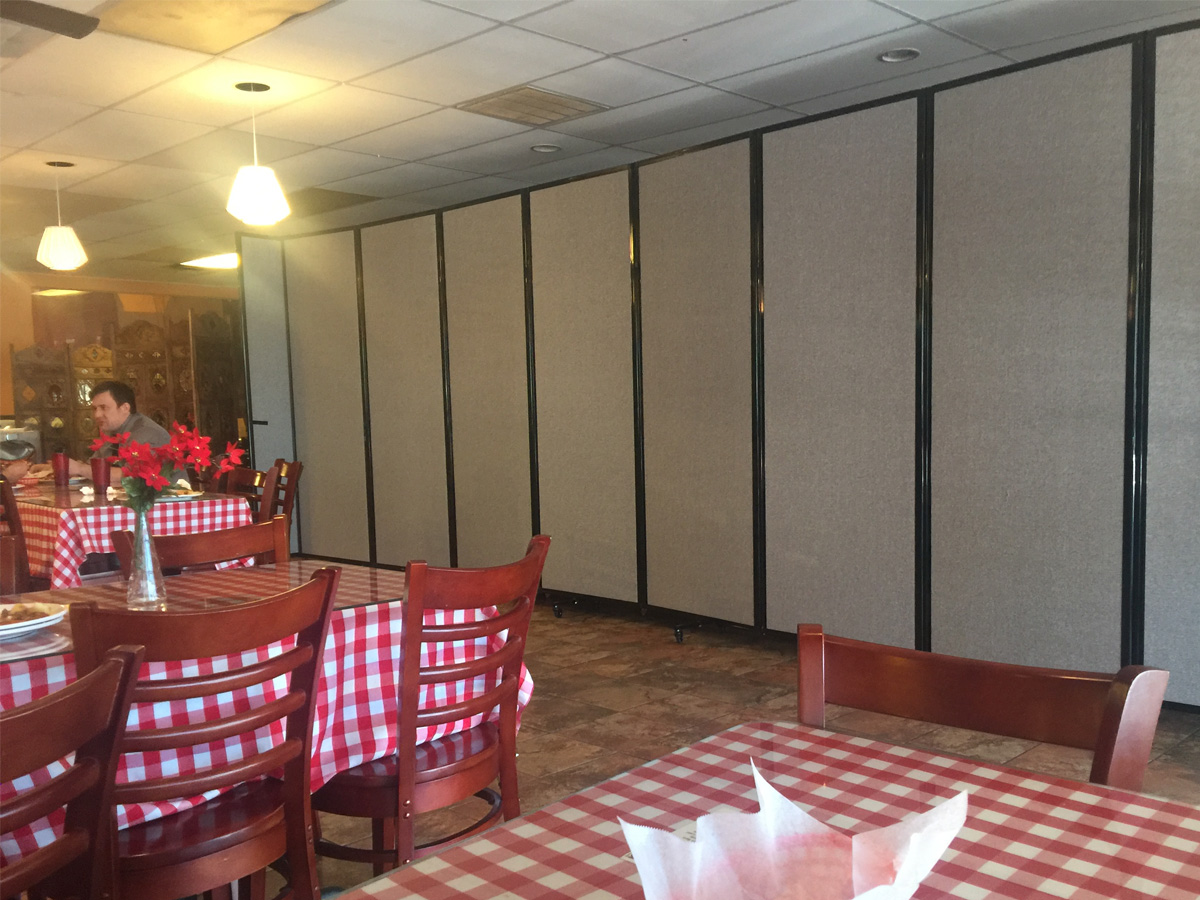
Freestanding Acoustic Room Dividers
When you need to divide an area and reduce noise between zones, acoustic room dividers are ideal. They add separation without permanent construction and can be repositioned as your layout changes.
Shop Freestanding Acoustic Room Dividers
These are especially popular in classrooms and open offices where controlling ambient sound and visual distractions is a priority.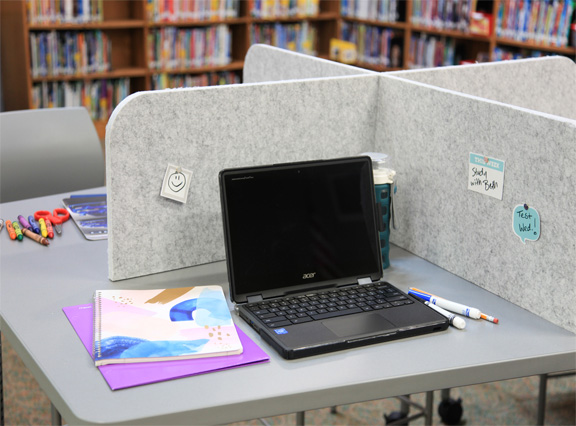
Frequently Asked Questions
Acoustic panels are sound-absorbing panels designed to reduce echo and reverberation by absorbing sound reflections. They’re a go-to solution when ambient noise builds up and a room starts to feel loud.
When a room has lots of hard surfaces, like drywall, glass, concrete, tile, or wood, sound reflects and builds up as echo and reverberation. Acoustic panels cover or interrupt those reflective surfaces so less sound bounces back into the room. Most panels use porous materials that absorb sound energy, helping reduce the echo you hear in the space.
Start with what you’re trying to solve and where the sound is coming from: overall echo in an open area, noisy work zones, or separation between active spaces. Then choose a format that fits the room and layout—wall-mounted acoustic panels, acoustic ceiling panels (tiles, baffles, canopies), or freestanding acoustic panels. If you also need separation and flexibility, acoustic room dividers and acoustic partitions can control sound while creating defined zones.
The amount depends on room size, ceiling height, and how “hard” the surfaces are (glass, concrete, drywall, tile, etc.). A good starting point is treating the areas where sound reflects most (usually larger wall/ceiling surfaces), then adding coverage as needed based on the results.
In most rooms, the best results come from treating the largest hard surfaces—usually walls and ceiling—and spreading coverage across the space rather than clustering panels in one spot. For larger rooms, evenly distributing acoustic panels along key walls and adding ceiling panels can make a noticeable difference.